Craig Laughlin Shares His Story and Gratitude on the One Year Anniversary of Open-Heart Surgery
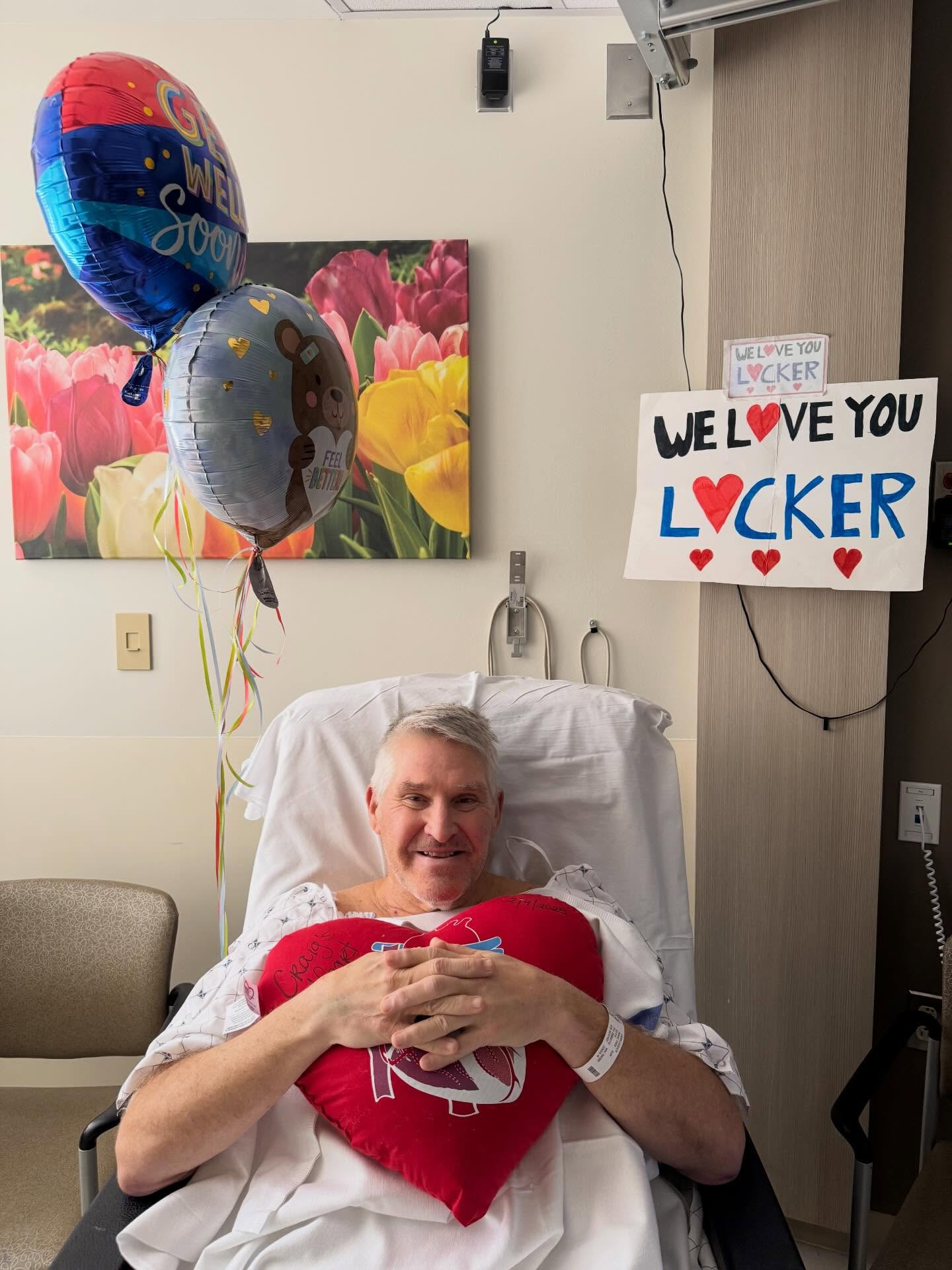
February is American Heart Month, and for The Laughlin Family Foundation, raising awareness around heart health is deeply personal as this year marks one year since Craig Laughlin’s open-heart surgery.
What began as a routine checkup quickly became a medical emergency and ultimately, a defining chapter in Craig’s life. The experience tested his strength, reshaped his perspective on health, and deepened his gratitude for the everyday moments that now mean everything.
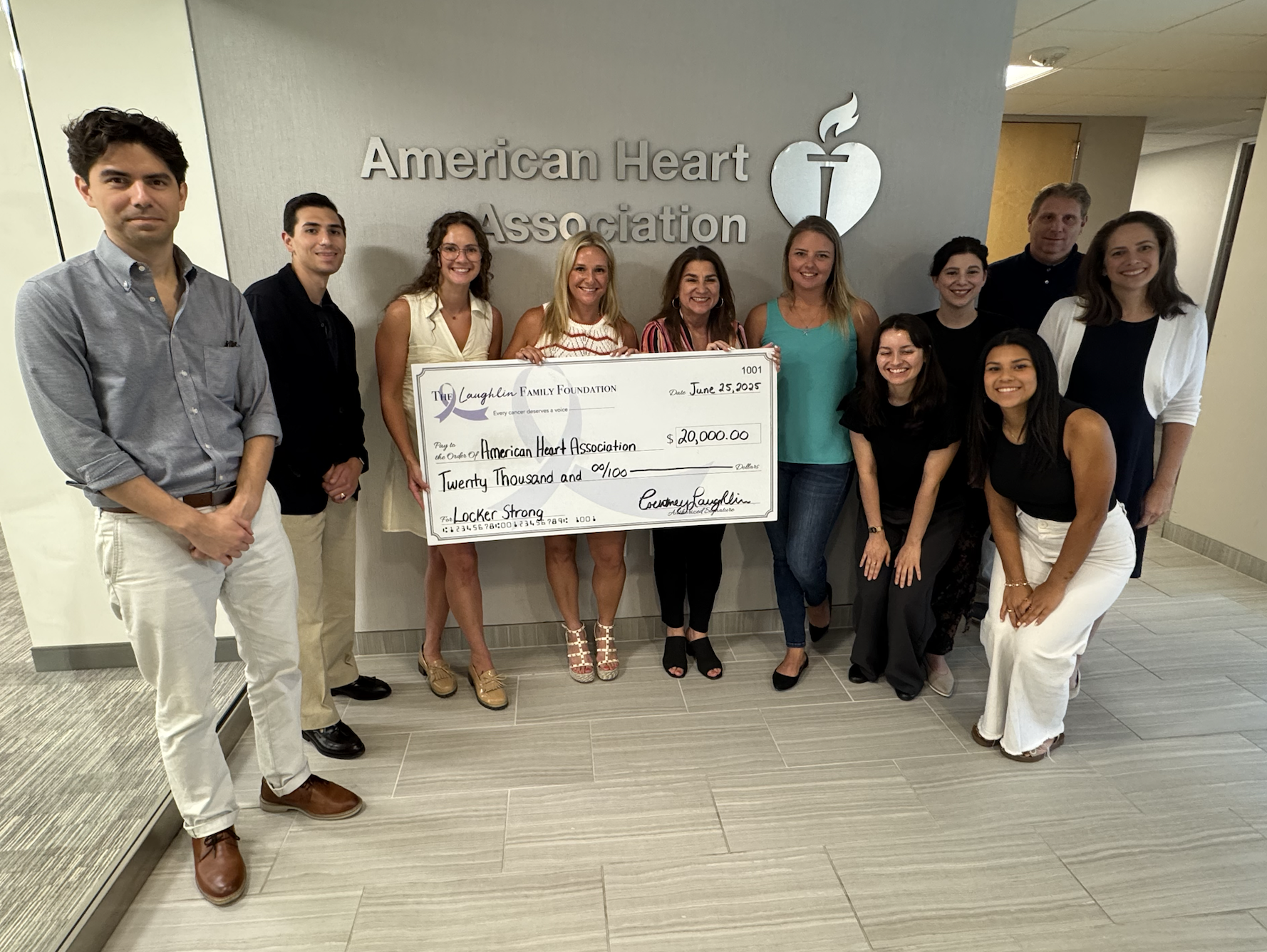
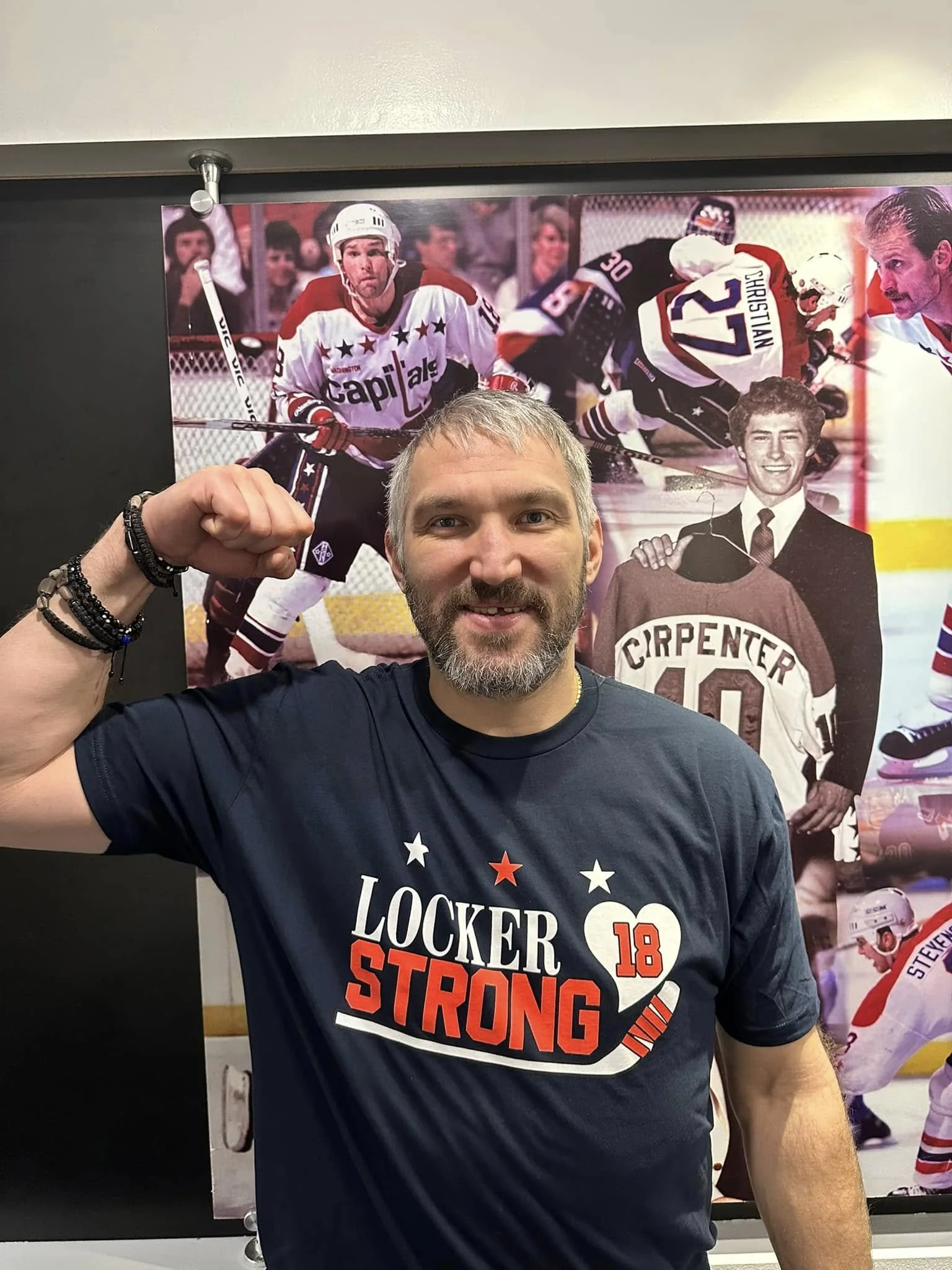
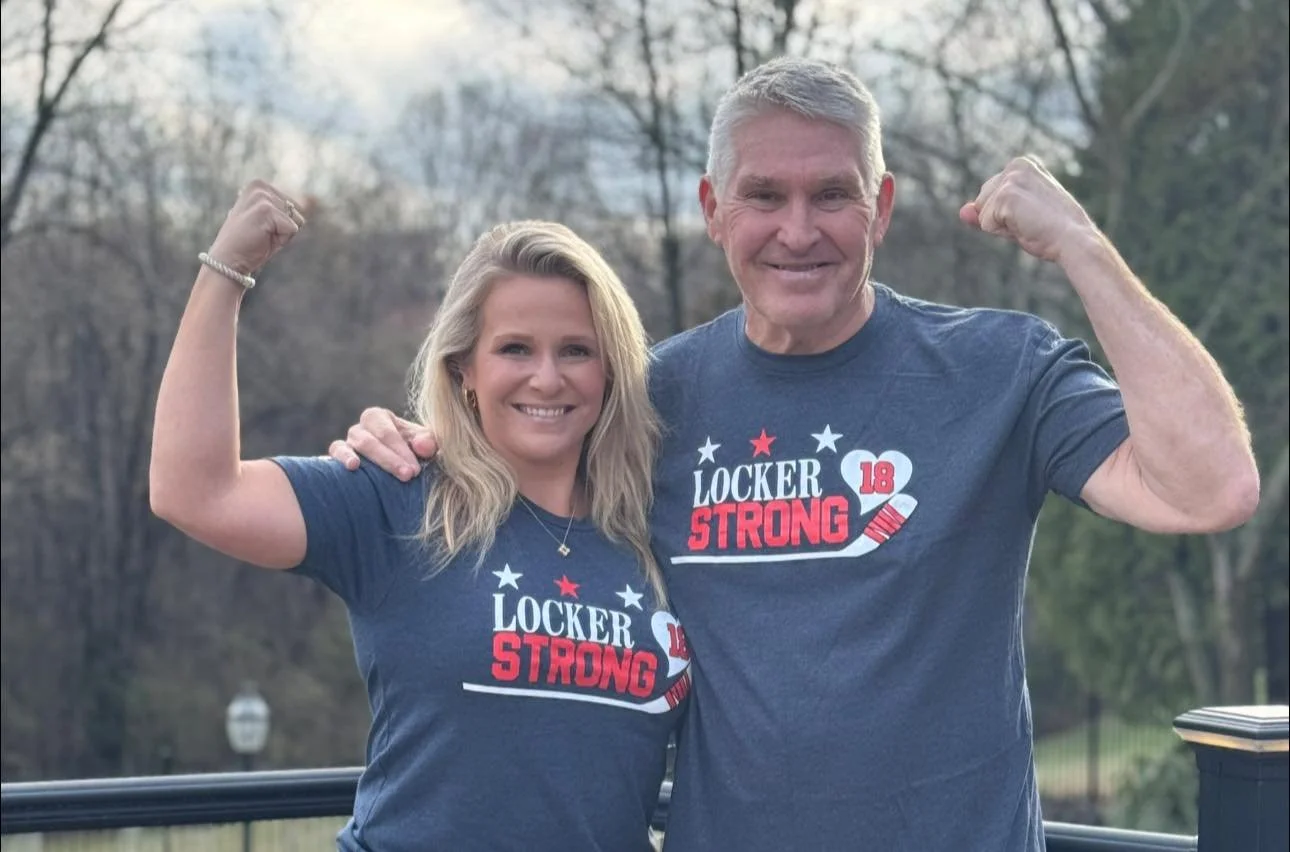
Last year, during Craig’s ordeal, The Laughlin Family Foundation raised $20,000 for the American Heart Association by partnering with Breaking T to launch Locker Strong T-shirts bringing much needed awareness to the cause while also lifting Craig’s spirits.
This month, in celebration of his one year anniversary and in recognition of America Heart Month, the Foundation has launched brand-new Locker Strong hats, with all proceeds benefiting The Laughlin Family Foundation and the American Heart Association.
Today, Craig is sharing his story and renewed commitment to ensuring more families understand the importance of heart health.
1. For those who may not know your story, can you take us back to this time last year and share what led to your open-heart surgery?
It all started in November of last year with what I thought was a routine and preventative decision. I went in for a CT scan focused on early disease detection, specifically for heart disease and cancer. I was actually on a road trip with the Washington Capitals down in Tampa Bay, Florida at the time and finally decided to go get the scan done after a game. At the time, I felt great. I was working out every day, staying active, and had no symptoms that I could think of, so I really wasn’t expecting to hear any alarming news.
After the scan, I got on a plane back to Baltimore. Linda, my wife, picked me up from the airport, and on the drive home I got a call from the clinic with my results. They told me there were serious issues with my heart and that I needed to see a cardiologist right away. I was diagnosed with a congenital heart condition, a bicuspid aortic valve, along with a blocked LAD and an aortic aneurysm. I was told that open-heart surgery was necessary. It was a total shock!
2. This month marks the one-year anniversary of that surgery. What emotions come up for you as you reflect on that moment now?
It’s hard to believe that it has already been a year, but I’m feeling better than ever! Heart health and open-heart surgery is serious stuff. Looking back, I’m thankful that the scan caught it, because it saved my life. I had no idea I was living with a congenital heart condition which I’ve had my entire life. It’s a reminder of how quickly things can change and how important early detection really is. I’m grateful these things were found before they became catastrophic. That perspective sticks with you.
3. What was the most surprising or eye-opening part of your diagnosis, surgery, or recovery?
The most surprising part was that before my diagnosis, I was a healthy, active 67- year-old…working out, playing tennis and spending time with my grandkids. I didn’t feel like anything was wrong at all.
That’s what makes heart disease so dangerous because it can be completely silent.
I was fortunate that we caught it before anything serious happened like a heart attack or stroke. Also, recovery is just as mental as it is physical. I had a goal from the start once my surgery date was set to be back in the announcer booth with Joe B by March 30, just over 7 weeks post op. I wanted to get back to work with my Monumental Sports family and be there for the Great Chase. I knew I couldn’t miss Ovechkin breaking the record and he was getting close while I was out recovering. Not wanting to miss that moment gave me something to work towards and it definitely helped keep me focused, even during the ups and downs.
4. How did this experience change the way you think about your health and the way you show up for your family?
This experience completely changed the way I think about my health and how I show up for my family. It reinforced that you can’t take your health—or your life—for granted, no matter how good you feel. I felt fine going into what I thought was a routine checkup, and it turned out something serious was happening beneath the surface.
I want my family members, my friends, my colleagues, the younger Hockey players and veterans alike to understand that taking care of yourself is how you make sure you’re able to keep showing up, not just in the game, but at home and in everyday life.
5. Why was it important for you and the family foundation to be open about this experience and use it as a platform for heart health awareness?
Heart disease affects everyone, and if sharing my story and what I went through helps even one person, then it’s worth it. I want people to stay on top of their health and not ignore routine care because they feel fine. Linda shared her cancer journey for the same reason—with the hope that it might help someone feel less alone—and that shared purpose is ultimately what led us to start the Laughlin Family Foundation. This felt like my turn to do the same: to open the conversation, bring these diseases into the spotlight, and help raise awareness in a way that can truly make a difference.
6. Your role with the Washington Capitals keeps you on the road constantly. How have you learned to manage and prioritize your heart health while traveling and working such a demanding schedule?
Listening to my body has become the biggest priority, especially when I am out on the road. When you’re traveling nonstop, it’s easy to power through and ignore the signals your body is sending, especially when you’re used to pushing yourself. I always focus on the basics—staying hydrated, eating well, and finding time to exercise whenever I can. Fatigue is still something I deal with, but I’ve learned that rest isn’t a setback; it’s a weapon. Prioritizing recovery has become just as important as staying active, and it’s something I’m continuing to work on every day.
7. Looking back, were there any warning signs you wish you had paid more attention to before your surgery?
No, and that’s the scary part. I didn’t have any warning signs at all. I have been active my entire life, and always felt like I was living a healthy lifestyle. I just assumed because I didn’t seem to have any issues and felt like I was doing everything right, that everything was fine. So regular checkups matter, even when nothing feels wrong. Staying ahead of potential issues can make all the difference.
8. What do you think people misunderstand most about heart disease, especially among men and women who feel active and healthy?
I think a lot of people believe that if you live an active, healthy lifestyle, you don’t really need to worry about your heart. But heart disease can affect anyone, at any age—even if you’re healthy, active, and doing all the “right” things. I had no idea I was dealing with serious heart issues before my scans. There were no symptoms and no warning signs. Feeling fine doesn’t always mean everything is fine.
9. During American Heart Month, what is the most important message you hope people take away from your story?
During American Heart Month, the most important message I hope people take away from my story is that heart disease—and health issues in general—can affect anyone. You can feel healthy, stay active, and do all the right things, and still have something serious happening beneath the surface. The heart is the engine that keeps everything else running, and taking care of it means being proactive, not reactive. Getting regular checkups, asking questions, and paying attention to your health, no matter how you feel can truly be life-saving.
10. If someone listening right now is putting off a checkup or ignoring their heart health, what would you want them to hear from you?
Don’t put it off. I was lucky, and not everyone gets that chance. Make the appointment and take it seriously.