Linda Laughlin’s Story: Transforming Survivorship into Purpose & Advocacy
During Women’s History Month, we celebrate women whose strength, resilience, and courage inspire progress. This month, we were especially reminded of all that Linda Laughlin has been through and continues to endure. Her journey from patient to advocate has become a beacon of hope for women facing rare cancers.
At the 43rd Annual Daffodils & Diamonds Luncheon and Fashion Show hosted by the National Foundation for Cancer Research, they captured that journey when they honored Linda as a Diamond Survivor. This recognition reflects not only her extraordinary strength and resilience, but also a lifetime of advocacy and inspiration for countless others navigating the challenges of rare cancers.
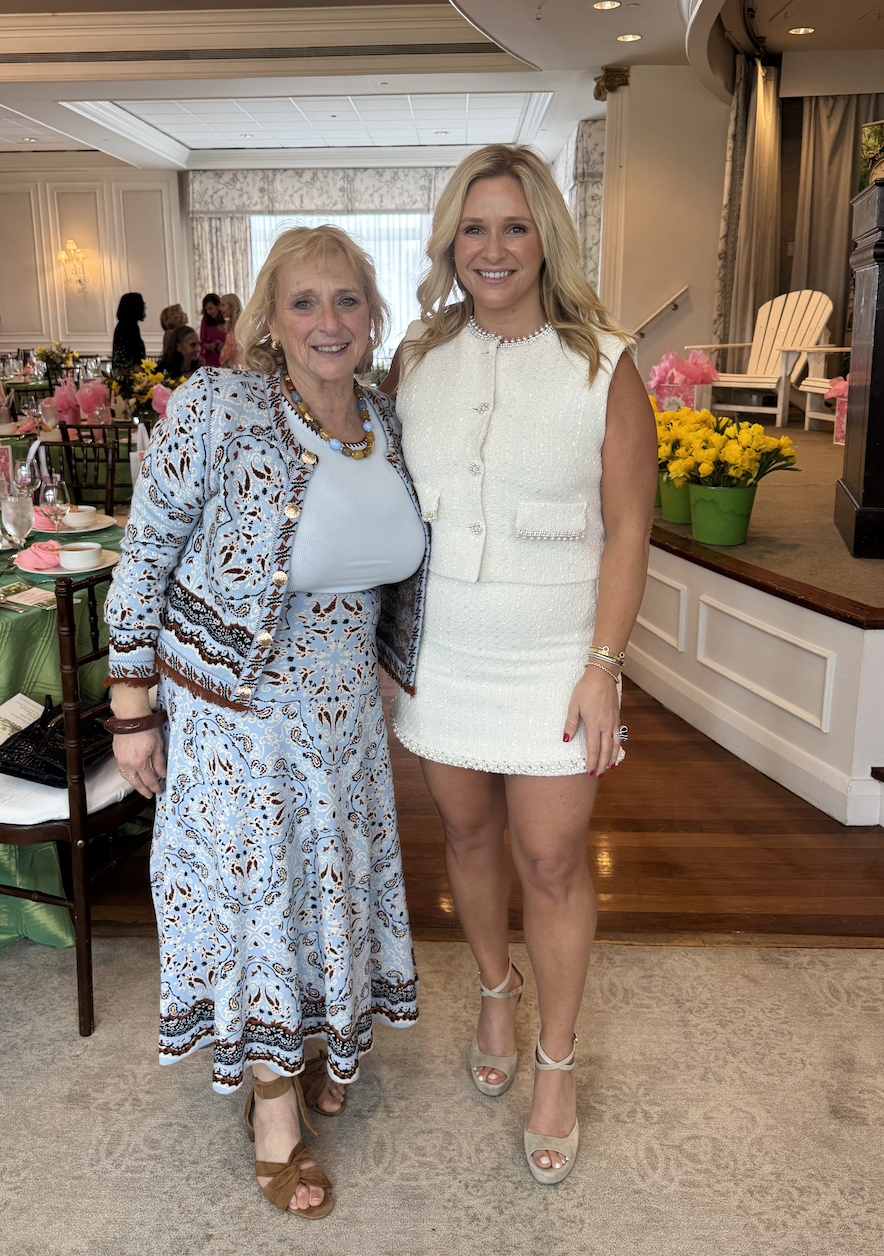
Linda and Courtney Laughlin at the Daffodils & Diamonds Luncheon
The Mission Behind the Laughlin Family Foundation
In 2018, Linda was diagnosed with uterine serous carcinoma, a rare and aggressive form of endometrial cancer affecting roughly 5,000 women in the United States each year. What followed was a year and a half of relentless treatment: major surgery, months of toxic chemotherapy with repeated hospitalizations, and more than 30 rounds of radiation that left her battling severe side effects and infections. By the end of 2019, she feared the cancer had returned, undergoing further testing, additional radiation, and another painful recovery due to a fractured pelvis caused directly by treatment.
Enduring multiple misdiagnoses, limited treatment options, a shortage of clear medical guidance, and a lack of community and resources, Linda realized that many patients facing rare cancers are left underserved, with few paths forward. From this challenge, she became a fierce advocate, determined to change outcomes for future patients with rare cancers, hoping that their journey would be easier than her own.
Together with her husband, former NHL player and Washington Capitals analyst Craig Laughlin, she co-founded the Laughlin Family Foundation, a 501(c)(3) nonprofit dedicated to giving every rare cancer a voice and hope for a cure.
Through the Foundation, Linda ensures that patients facing rare diagnoses are never alone, providing awareness, resources, and critical support for research.
To date, the Foundation has awarded more than half a million dollars toward groundbreaking research and advancing treatment options for rare cancers, including funding for endometrial cancer research, which remains severely underfunded and underserved.
Linda reminds us that survivorship is not just about enduring it is about transforming pain into purpose, creating opportunity, and driving meaningful change for others. Through her advocacy and the work of the Foundation, she is ensuring that every cancer has a voice… and a cure.
Leading the Movement: Partnerships, Collaboration, and Impact
While Linda’s journey is remarkable on its own, her story is never just about one woman.
It is part of a larger movement powered by women-led organizations, advocates, researchers, and philanthropists who are collectively reshaping the landscape of rare cancer care.Through these partnerships and collaborations, hundreds of thousands of dollars have been raised to support life-saving discoveries.
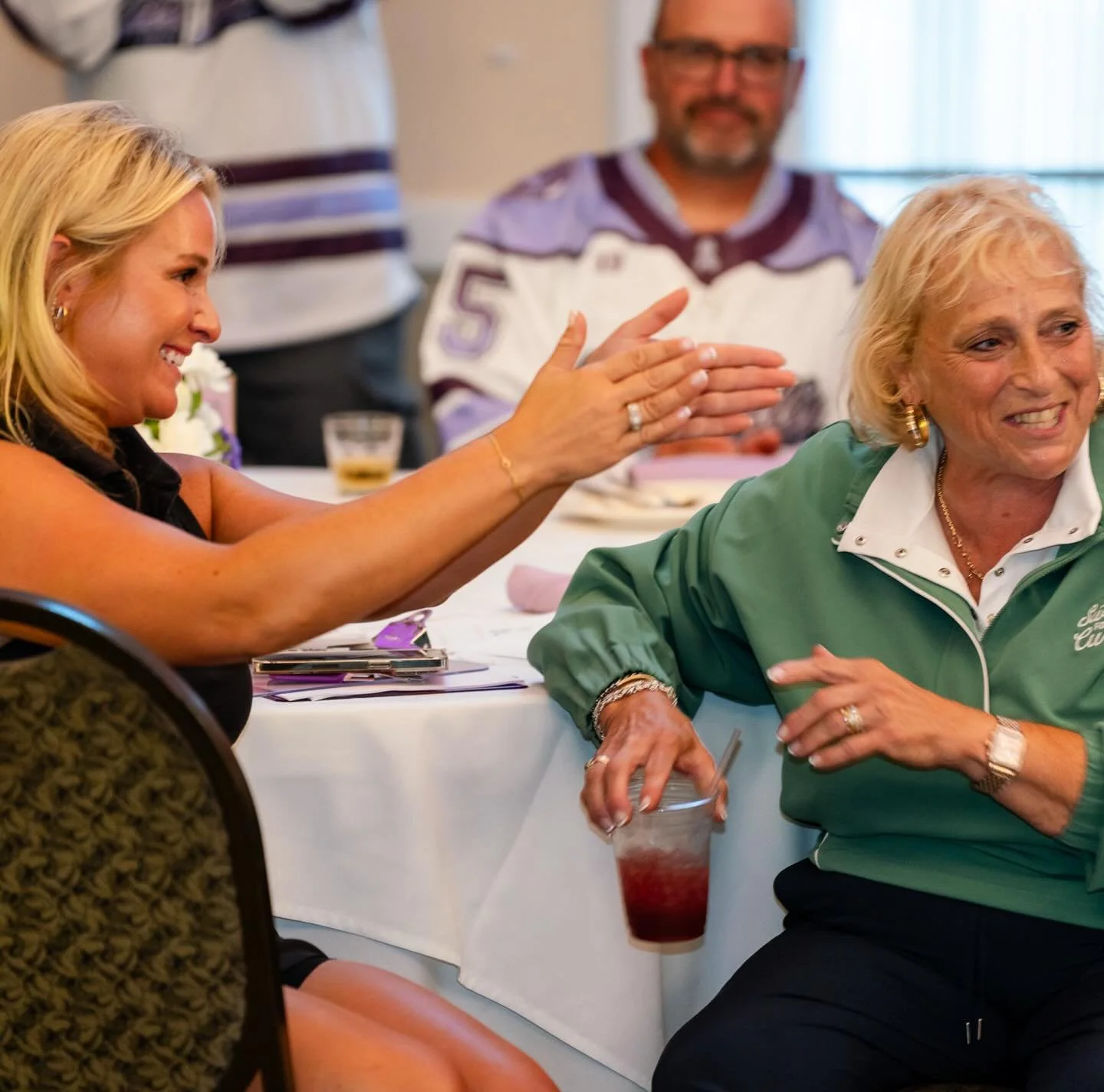
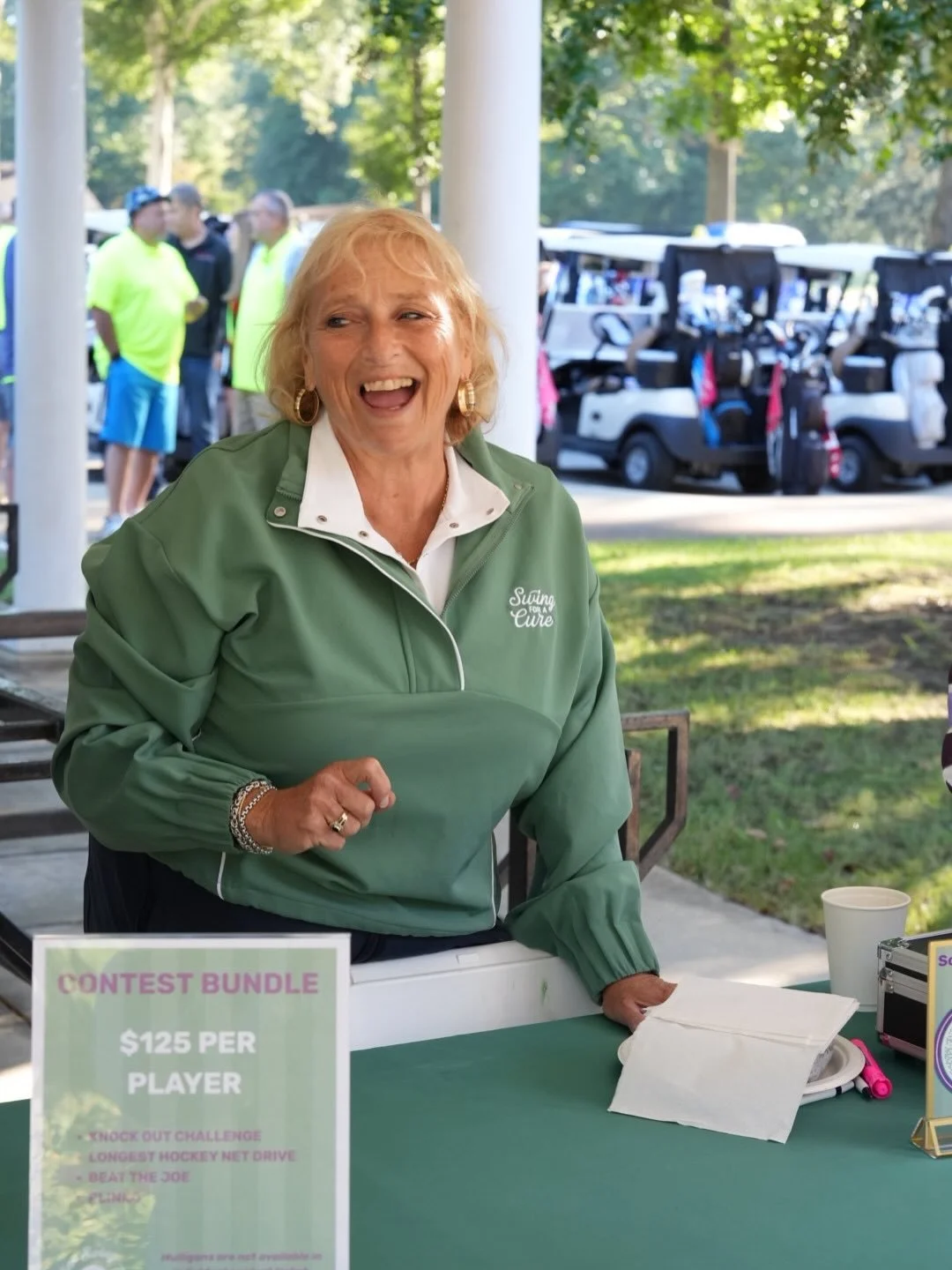
Linda herself has become a guiding force within this network, inspiring collaboration and holding the spotlight for action. She does that at a national level, but most importantly at a community one. At the Laughlin Family Foundation’s annual Swing for A Cure Celebrity Golf Tournament in 2025, her influence was on full display. She stood before the men in attendance, and reminded them that their support and donations during this event and throughout the years were making a real difference for the women in their lives—their wives, daughters, mothers, grandmothers, nieces, and granddaughters.
This reminder of how close cancer hits home led the room into a standing ovation, which is a true testament to how powerful patient advocacy can be.
And through Linda’s leadership, advocacy, and the partnerships she has fostered across organizations and networks, meaningful change is happening: one breakthrough, one collaboration, and one patient at a time.